Your First Gallery Opening: What to Expect
Gallery openings are free, the wine is free, and nobody is judging you. Here’s everything a first-timer needs to know.
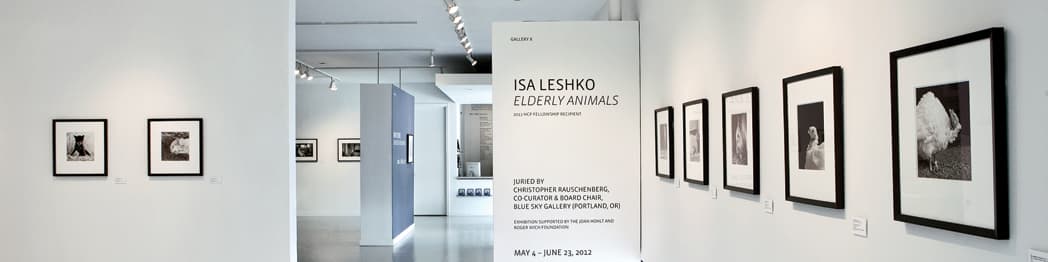
Chelsea4567 · CC BY-SA 4.0
Gallery openings are the best free event in any city. Free wine. Free beer. Free art. Free conversation. And nobody — truly nobody — cares what you are wearing, what you know about art, or whether you have ever set foot in a gallery before. If you have been curious about the art world but felt like it was not for you, this guide is your permission slip. Gallery openings are for everyone, and this is everything a first-timer needs to know.
What actually happens at a gallery opening? The doors open, usually between 6pm and 9pm on a weekend evening. You walk in. There is wine and beer on a table somewhere near the entrance — it is free, just grab a glass. Art is hanging on the walls or installed throughout the space. People are standing around looking at it, talking to each other, and drinking. The artist is usually there, often identifiable as the person who looks simultaneously thrilled and terrified. Gallery staff are friendly and approachable. You walk around, look at the art, maybe talk to someone, and leave whenever you want. That is it. There is no secret handshake, no dress code, no membership required. You just show up.
What should you wear? Literally anything. Jeans and sneakers are perfectly fine. You will see people in tailored suits and people in paint-splattered overalls, people in vintage dresses and people in band t-shirts. The art world’s reputation for being fashion-conscious is mostly a New York and Los Angeles phenomenon. In Houston, the dress code at gallery openings is \"whatever you were already wearing.\" If you feel comfortable, you look fine. The only wrong outfit is the one that keeps you from showing up.
How do you look at art? Here is the only rule: spend at least 30 seconds with each piece that catches your eye. Most people glance at art for three to five seconds and move on. If you give a piece 30 seconds — really looking, noticing details, letting your eye move across the surface — you will see things you missed in the first glance. Read the artist statement if there is one on the wall. Read the titles and materials listed on the labels. If something resonates with you, stand with it longer. You do not need to \"understand\" art to experience it. If a piece makes you feel something — curiosity, discomfort, joy, confusion, longing — it is working.
How do you talk about art without sounding pretentious? The single best question you can ask an artist or gallery staff member is: \"What drew you to this material?\" or \"Can you tell me about your process?\" These questions are better than \"What does it mean?\" because they invite a genuine conversation rather than putting the artist on the spot to explain their work in a soundbite. Artists love talking about how they make their work — the materials, the techniques, the accidents and discoveries along the way. Ask about the process, and you will learn more about the art than any wall text will teach you.
What are the red dots? A red dot on the wall label next to a piece of art means it has been sold. This is one of the art world’s oldest conventions, and it is the origin of our name. If you see a piece you love and there is no red dot next to it, that means it is still available. You can ask the gallery staff about the price — they will be happy you asked, and they will not be offended or surprised. If the price is in your range, you can buy it right there. If it is not, that is fine too — no one will pressure you. And if you see a lot of red dots, it means the show is selling well, which is good news for the artist.
Where do you find gallery openings? The RedDot Texas events calendar lists upcoming openings across Houston, Dallas, Austin, San Antonio, and Marfa. First Saturdays in the Museum District bring multiple galleries in the same neighborhood opening on the same night, so you can walk from one to the next. Follow galleries on Instagram for announcements and previews. And once you attend a few openings, you will start to see familiar faces and hear about upcoming events through word of mouth. The art community in Houston is warm and welcoming — people want you there.
Houston’s most beginner-friendly galleries — If you want to start with spaces that are particularly welcoming to first-time visitors, try these: Art League Houston is a community-oriented gallery with a mission of accessibility and education. The staff is genuinely friendly, the art is approachable, and the openings draw a diverse, relaxed crowd. Lawndale Art Center is always free, always welcoming, and shows a range of contemporary art from emerging and established artists. The space itself is light and open, and the vibe at openings is casual and social. Sawyer Yards open studios feel less like a gallery and more like an art festival — the warehouse setting is informal, the artists are friendly, and the food trucks outside make it easy to turn a studio visit into a full evening.
This is literally the origin of our name — RedDot. The red dot on the gallery wall is the signal that someone saw a piece of art, felt something, and decided to make it theirs. We built this platform because we believe everyone deserves to have that experience, and it starts with walking through the door of a gallery for the first time. The wine is free, the art is extraordinary, and the only awkward thing is not going.