Why Houston Is Now the 4th Biggest Art Market in America
Texas wasn't even top 10 for high-dollar art sales a decade ago. Now it's fourth — and Houston is driving the surge.
By RedDot Texas
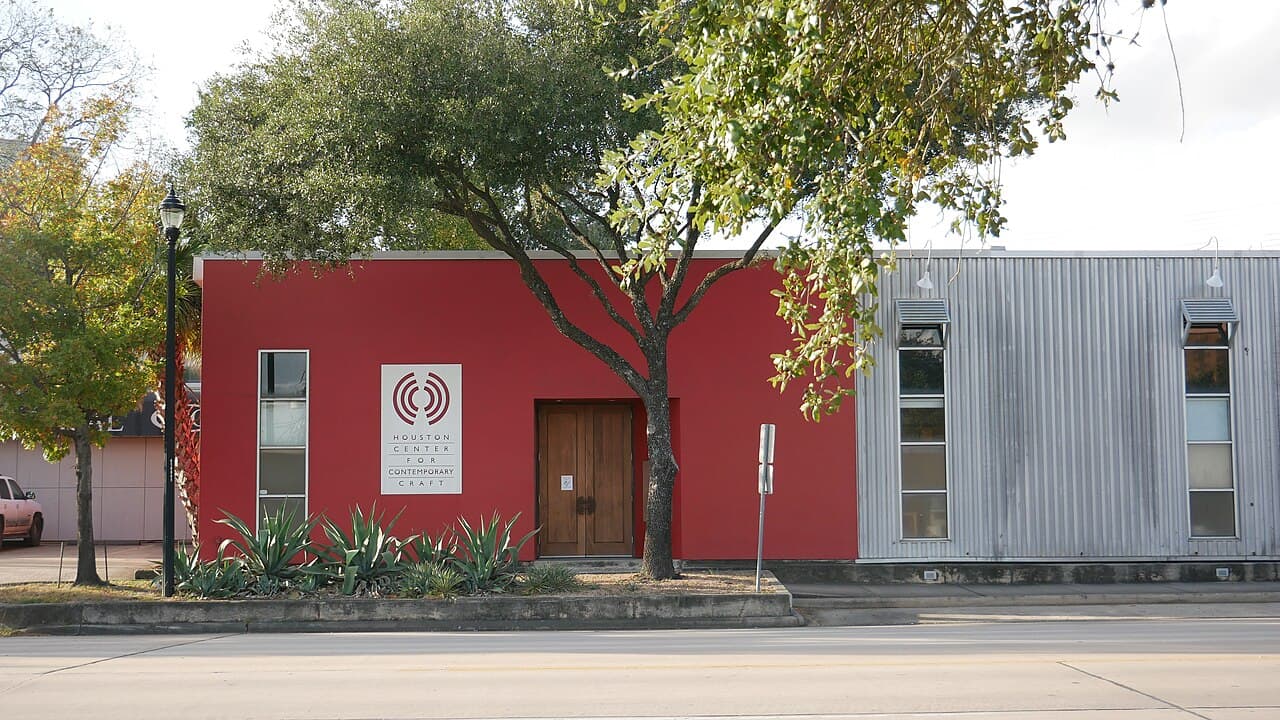
Crafthouston · CC BY-SA 4.0
The numbers are striking. Texas is now 4th in the nation for art transactions over $1M, commanding a 6% market share of the country's highest-value art sales. A decade ago, the state was not even in the top 10. New York, Los Angeles, and Florida still lead — but Texas has leapfrogged traditional art capitals like Illinois, Massachusetts, and Connecticut to claim a position that would have seemed implausible in 2015. And the city driving this surge is not Dallas, with its billionaire collectors and blue-chip galleries. It is Houston.
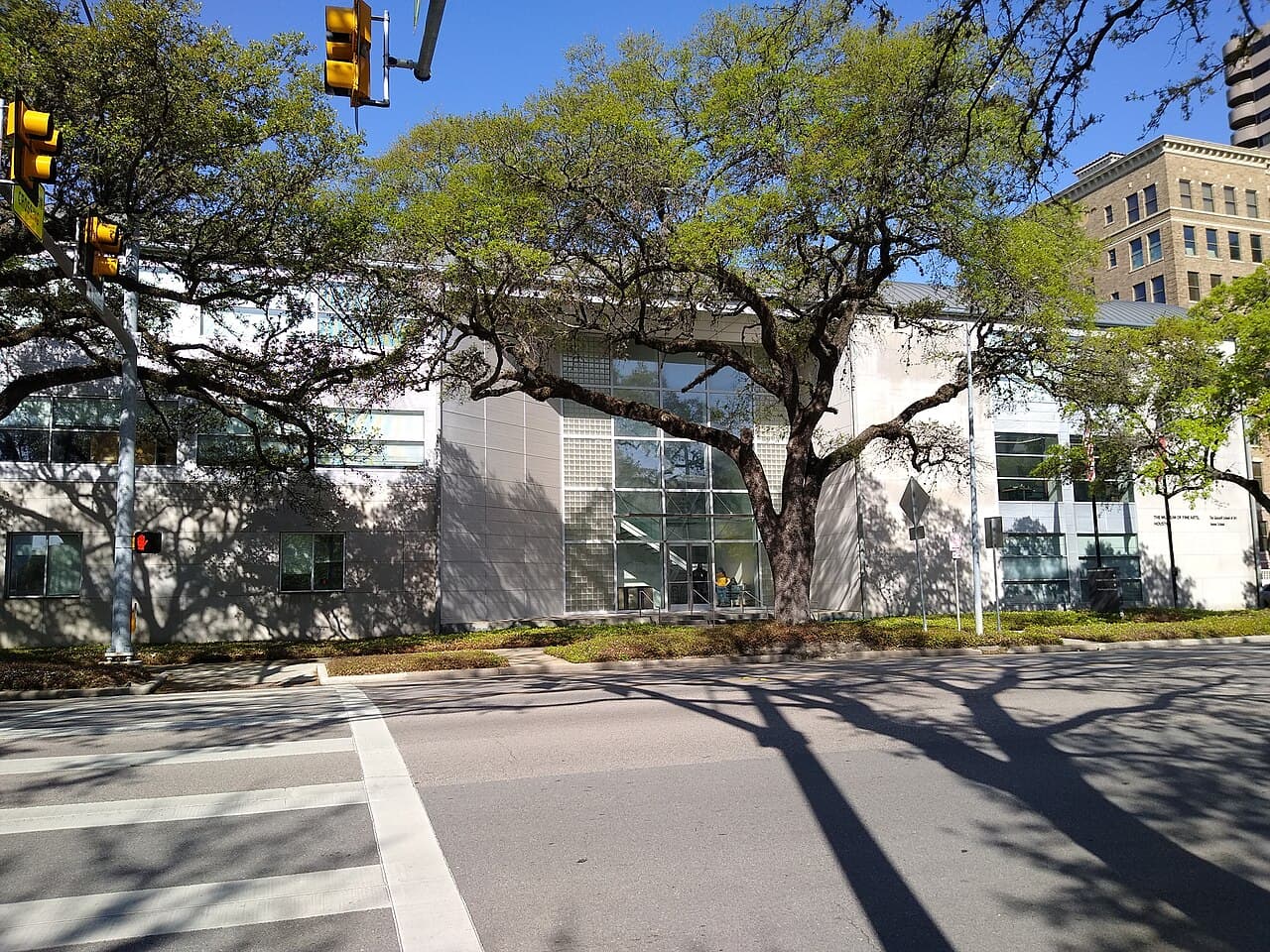
What changed? The short answer is that Houston's collector class matured at the same time that its institutional infrastructure expanded. The Museum of Fine Arts, Houston opened the Nancy and Rich Kinder Building in 2020 — a 237,000-square-foot Steven Holl–designed pavilion that doubled the museum's exhibition space and signaled a level of institutional ambition that the art world could not ignore. The Menil Drawing Institute, the first freestanding facility in the country dedicated to the study of modern and contemporary drawing, opened in 2018 to international acclaim. These were not vanity projects. They were investments in infrastructure that told collectors, galleries, and artists that Houston was building for the long term.
The key collectors shaping Houston's market are not flashy art-world celebrities — they are disciplined, deeply informed, and connected to the institutions that anchor the city's cultural life. Laura & John Arnold, whose philanthropic footprint extends far beyond art, appear on the ARTnews Top 200 list of the world's most active collectors. Barbara & Michael Gamson are fixtures on the same list, with a collection that reflects decades of sustained, serious engagement with contemporary art. In San Antonio, the Pace family's legacy lives on through Ruby City, the late Linda Pace's jewel-box museum designed by Adjaye Associates — a permanent monument to what happens when collector ambition meets architectural vision.
The gallery infrastructure has grown to match the collector base. Sicardi | Ayers | Bacino, Houston's preeminent gallery for Latin American contemporary art, now shows at Art Basel and Frieze — placing Houston-based art on the walls of the world's most important fairs. Opera Gallery chose Houston for its first Texas location, a vote of confidence from an international gallery chain that operates in New York, London, Paris, Hong Kong, and Dubai. Inman Gallery has spent decades building credibility with a program that favors intellectual rigor and long-term artist relationships over market trends. The gallery ecosystem in Houston is no longer a handful of brave outposts — it is a functioning market with the depth and diversity to support serious collecting at every price point.
Houston's role as the gateway to Latin American art is not a marketing slogan — it is a demographic and geographic fact. The city's population is over 44% Hispanic or Latino, and its position as the closest major American city to Mexico City, Monterrey, and Central America creates natural cultural and commercial connections that no other U.S. art market can replicate. Collectors in Houston understand Latin American art because they live in relationship with the cultures that produce it. Galleries like Sicardi | Ayers | Bacino have built their entire programs around this connection, and the arrival of Untitled Art has given the city a fair that explicitly leverages this advantage.
The Untitled Art fair served as a catalyst. The inaugural 2025 edition put Houston on the international art fair circuit for the first time, drawing galleries, collectors, and press from across the Americas and Europe. The fair's success validated what insiders already knew — that Houston had the collector base, the institutional support, and the cultural infrastructure to sustain a major fair. The second edition, scheduled for October 2–4, 2026, arrives with the credibility that a successful debut provides and the expectations that come with it.
The scale of Houston's arts economy is often underappreciated. The city generates an estimated $1.3 billion in annual arts activity, supported by 21,000 annual arts events, 19 institutions in the Museum District, and the Sawyer Yards complex, which houses over 400 artist studios in the largest creative campus in the South. These are not abstract figures — they represent an ecosystem of artists, galleries, museums, collectors, educators, and administrators who have built something that functions as a genuine creative economy rather than a cultural amenity.
How does Houston compare to other markets? The most natural comparison is Miami, which shares Houston's Latin American focus and its identity as a subtropical gateway city. But Houston has something Miami lacks: deep institutional roots. The Menil Collection, the MFAH, the Contemporary Arts Museum Houston, the Rothko Chapel, Project Row Houses — these are institutions built over decades by collectors and patrons who were committed to Houston specifically, not just to art generally. Miami's art scene is younger and more transactional; Houston's is older and more rooted. The comparison with Dallas is friendlier — Dallas generated $1.27 billion in arts sales in recent years, and the two cities function more as complementary markets than competitors. Dallas has stronger commercial gallery concentration in its Design District; Houston has deeper museum infrastructure and a larger Latin American art market.
What does all of this mean for artists? More opportunities to show, sell, and build careers without leaving Texas. The old model — make art in Texas, then move to New York to get taken seriously — is increasingly obsolete. Houston galleries show at international fairs, Houston collectors buy at every price point, and Houston institutions offer exhibition opportunities that generate national and international attention. An artist can build a sustainable career in Houston in a way that was genuinely not possible 15 years ago. The cost of living advantage over New York and Los Angeles makes this even more attractive — studio space in Sawyer Yards costs a fraction of what comparable space costs in Brooklyn or downtown LA.
For a deeper look at the galleries driving this market, explore our Houston galleries directory. For detailed profiles of anchor institutions, visit our guides to the MFAH and the Menil Collection. And if you are ready to start collecting, our guide to starting an art collection in Texas for under $2,000 proves that you do not need to be on the ARTnews Top 200 list to participate in what is happening here.