Review: Robert Pruitt — Infinite at CAMH
Twenty-five years of portraiture, storytelling, and imagination. Pruitt's return to Houston is the homecoming the city's art scene needed.
By RedDot Texas
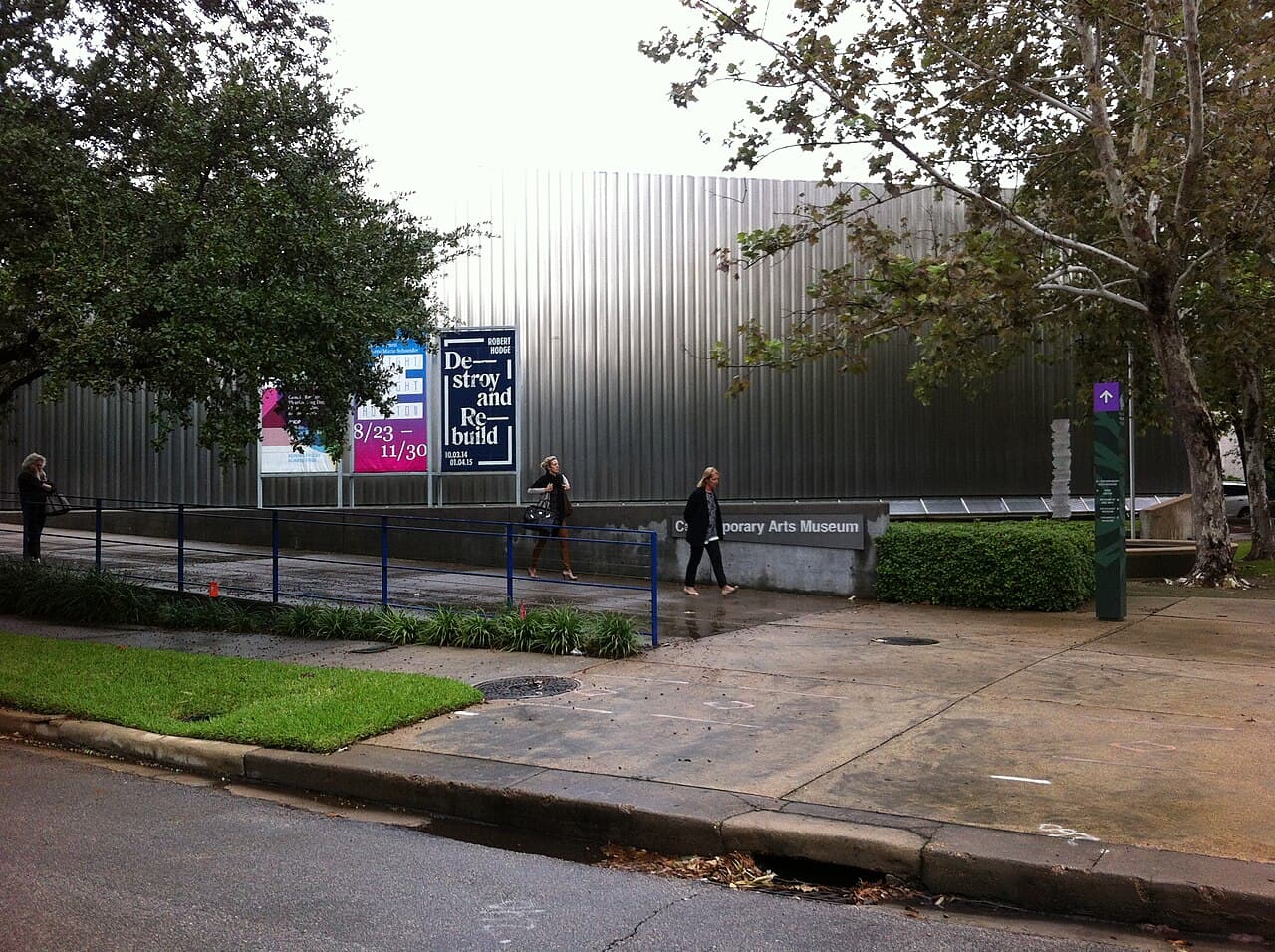
Robert Pruitt: Infinite at the Contemporary Arts Museum Houston is the first comprehensive survey of an artist who has spent 25 years building one of the most distinctive bodies of work in contemporary American portraiture. It is also a homecoming. Pruitt was born and raised in Houston, and this exhibition — filling CAMH's iconic Gunnar Birkerts building — marks his return to the city that shaped him. The show feels like both a culmination and a beginning, a statement of arrival that also opens new questions about where this practice is headed.
Pruitt's work centers on large-scale portraits and drawings that blend Afrofuturism, hip-hop culture, science fiction, and Black cultural history into a visual language that is entirely his own. The figures in his drawings are monumental — physically imposing, elaborately adorned, and charged with a sense of agency and self-possession that is rare in contemporary portraiture. These are not passive subjects. They are protagonists, warriors, visionaries, and everyday people elevated to mythic status through Pruitt's virtuosic draftsmanship and imaginative world-building.
The influences are worn openly and joyfully: comic books, album covers, science fiction illustration, African textile patterns, and the visual culture of Houston's Black communities. Pruitt draws from all of these sources without hierarchy — a Gil Scott-Heron lyric carries the same weight as a Yoruba pattern, a Marvel composition sits alongside a reference to Third Ward architecture. The result is a visual universe that feels simultaneously rooted in specific Black cultural traditions and expansively universal in its ambitions.
The exhibition traces the evolution from early drawings — smaller, more intimate, often working on paper with graphite and conte crayon — to recent monumental works that fill entire walls and operate at a scale more commonly associated with painting or mural art. The trajectory is not simply one of increasing size. It is a story of deepening ambition, technical mastery, and conceptual complexity. The early pieces are beautiful and assured; the recent works are commanding, immersive, and impossible to look away from.
CAMH is the right venue for this exhibition. The museum has always been free, always been provocative, and always been willing to take the risks that larger, more cautious institutions avoid. It is the museum that gave early shows to artists who went on to reshape contemporary art, and its decision to give Pruitt a full survey aligns with that history. The Birkerts building — with its distinctive stainless steel exterior and flexible interior spaces — provides a setting that is both institutional enough to signal the importance of the work and informal enough to preserve the energy and accessibility that characterize Pruitt's practice.
Pruitt's position within Houston's broader art ecosystem is significant. He belongs to a generation of Houston artists — alongside Trenton Doyle Hancock, Autumn Knight, and the community of artists and activists at Project Row Houses — who have reshaped national conversations about what art from the South looks like, what it addresses, and who it speaks to. Houston's art scene has produced an extraordinary concentration of Black artists working at the highest levels of contemporary practice, and Pruitt's survey at CAMH is both a celebration of his individual achievement and an acknowledgment of the community that produced him.
The exhibition also makes clear how Pruitt fits into — and expands — the tradition of Black portraiture in American art. From Charles White to Kerry James Marshall to Amy Sherald, the practice of depicting Black life with dignity, complexity, and beauty has been one of the most vital currents in American art. Pruitt's contribution to this tradition is the injection of speculative imagination: his portraits do not only depict Black life as it is, but as it might be — futuristic, fantastical, unbounded by the limitations of the present.
The verdict: Infinite proves that Houston produces artists who reshape national conversations about portraiture, identity, and imagination. Pruitt's 25-year practice is one of the most important bodies of work to emerge from this city, and CAMH has given it the presentation it deserves. Visit the event page for hours and details. The museum is always free — there is no reason not to go. This is the homecoming Houston's art scene needed, and it delivers on every level.